Newmeasures, a Denison Consulting practice: Fast-Track your Organization to Sustainable Success

CATEGORIES: EMPLOYEE SURVEYS
Don’t Stop Measuring What’s Working
Why you should still survey employees when engagement is high
- Genicia Corney, Insights Consultant & Organizational Psychologist

When employee engagement scores are strong year over year, it can be tempting for organizations to relax, breathe a sigh of relief, and assume that everything is running smoothly. But here’s the truth: high engagement isn’t a signal to stop surveying; it’s a signal to keep going.
In fact, surveying during periods of high engagement is one of the smartest moves a company can make. Think of it as an early warning system that keeps you ahead of problems before they show up in your data, culture, or retention rates.
Surveys Are a Litmus Test for What’s Changing Under the Surface
Even when employees are happy and engaged, their experiences are still shifting. Priorities change. Workloads fluctuate. Team dynamics evolve. Leaders transition.
Regular surveying makes it possible to spot small dips or emerging themes long before they become trends that pull engagement down. These early indicators help HR teams and leaders:
- Identify new pressure points
- Strengthen areas that might be quietly weakening
- Prioritize action before issues take root
- Stay aligned with what employees actually need as the business evolves
Surveys Are the Employee Experience Equivalent of an Annual Wellness Exam
Think about the importance of an annual wellness check. The goal isn’t to confirm that you’re sick, it’s to gauge your current health and catch anything that could become a health problem in the future.
Even if you feel great, your doctor still checks your vitals, runs preventative screenings, and offers guidance to help keep you in good health. These visits catch issues early, when they’re easiest to treat. Employee engagement surveys play the same role.
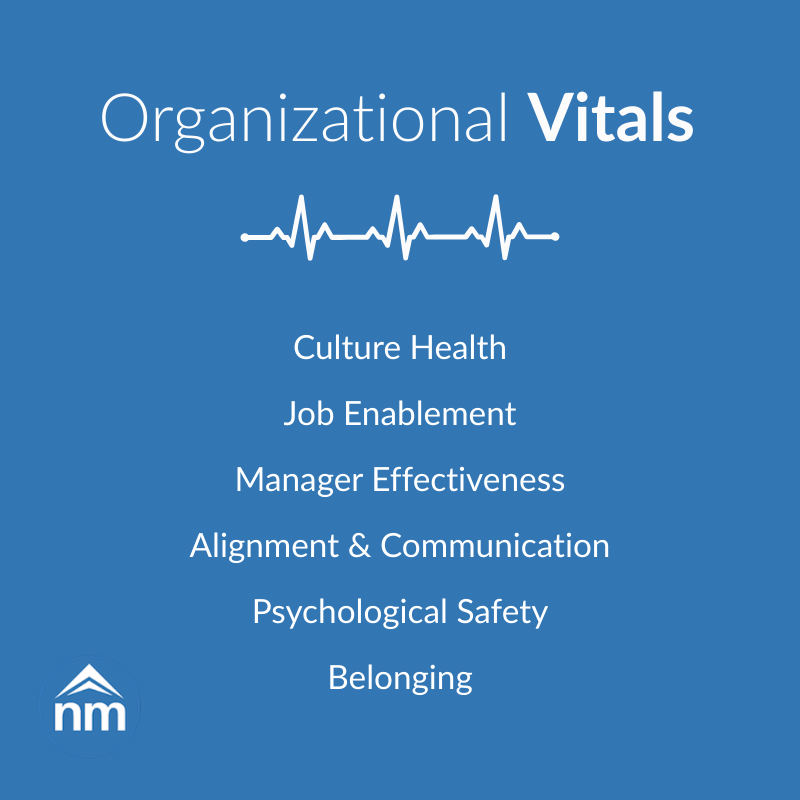
They help ensure the organizational “vitals” are where they should be:
- Culture health
- Job enablement
- Manager effectiveness
- Alignment and communication
- Psychological safety
- Belonging
If any of those indicators start shifting in the wrong direction, surveys can catch it long before you notice an impact on engagement overall.
Prevention Costs Far Less Than Repair
Data consistently shows that when people skip their annual wellness exams, they usually don’t seek help until a problem has become more serious. That leads to more stress, costs, and disruption.
The same pattern happens inside organizations.
When companies skip surveying because things “look good enough,” they often don’t discover issues until:
- Engagement begins to fall
- Turnover spikes
- Burnout becomes visible
- Morale shifts
- Performance drops
By then, you’re no longer preventing problems — you’re reacting to them, and reaction is always more costly than prevention.
High Engagement Isn’t a Plateau. It’s a Performance Advantage
Organizations with consistently high engagement tend to be the ones that never assume they’ve “arrived.” They keep listening. They keep learning. They keep adapting.
Regular surveys during high-engagement periods help you:
- Continue building on what’s already working
- Reinforce behaviors and processes that drive your success
- Stay connected with employee expectations
- Maintain a culture of openness and continuous improvement
You’re not surveying because something is wrong. You’re surveying to make sure it stays right.
From Employee Engagement to Employee Experience
Occasionally a client will tell us that their executives don’t see value in annual surveys because “we just hear the same thing year after year.” Typically, this happens when an over-emphasis on retaining trending data results in a failure to refresh survey content. Conducting an annual survey does not mean asking the same questions every time. We recommend that clients retain key engagement outcomes for purposes of trending while eliminating some questions and adding others. This approach can help leaders understand how well the system is functioning and where future risks or opportunities may lie. For example, when engagement is strong, organizations are well positioned to measure additional performance drivers such as capacity and workload sustainability, strategy clarity, change readiness, innovation climate, growth pathways, etc. For ideas on how to expand, see our article Employee Listening is Moving Beyond Engagement.
Ultimately, surveying your employees is one of the strongest commitments you can make to their experience. It signals that you value their voice not only when you need to “fix” something, but also when things are going well.
Just like annual wellness exams, consistent engagement surveys help you stay proactive rather than reactive.
And if there’s one thing every thriving organization has in common, it’s this:
They don’t wait for problems to get loud before they start paying attention.

Genicia Corney
Insights Consultant & Organizational Psychologist
Genicia is passionate about employee-centered organizational effectiveness. She leverages her previous leadership and operations experience to inform practical solutions for modern organizational challenges. Connect with Genicia at: LinkedIn.